
The Real Story Behind Vadodara's Rankings Bump: Deepti Sharma's Three-Dimensional Profile and Australia's Bowling Depth
**मुख्य उत्तर:** ICC की नई महिला रैंकिंग अपडेट में भारत की दीप्ति शर्मा वनडे ऑलराउंडर तालिका में चौथे, गेंदबाज़ी में आठवें और बल्लेबाज़ी में तेईसवें स्थान पर पहुंचीं, जबकि स्मृति मंधाना ने वनडे बल्लेबाज़ी का नंबर-1 स्थान लौरा वोल्वार्ड्ट को दे दिया। **मुख्य तथ्य:** - भारत ने वडोदरा में तीन मैचों की वनडे सीरीज़ एक मैच बाकी रहते 2-0 से जीती। - दीप्ति शर्मा तीनों वनडे तालिकाओं में एक साथ ऊपर चढ़ीं: ऑलराउंडर +2, गेंदबाज़ी +1, बल्लेबाज़ी +4। - स्मृति मंधाना के पिछले दो वनडे स्कोर 32 और 0 रहे, पर टी20ई बल्लेबाज़ी में वे चौथे पर पहुंचीं। - ज़िम्बाब्वे की बेलोवेड बीज़ा पूरे अपडेट की सबसे बड़ी छलांग के साथ 16 स्थान ऊपर, 56वें पर। - प्रतिका रावल सात स्थान ऊपर चढ़कर करियर-बेस्ट 21वें स्थान पर पहुंचीं। **स्रोत:** ICC महिला खिलाड़ी रैंकिंग अपडेट (भारत–ज़िम्बाब्वे वनडे सीरीज़ और ऑस्ट्रेलिया–न्यूज़ीलैंड टी20ई सीरीज़ के बाद); प्रकाशन तिथि मूल स्रोत में उपलब्ध नहीं | Cross-checked: cricsultan.com **संबंधित प्रश्न-उत्तर:** प्रश्न: क्या स्मृति मंधाना का नंबर-1 खोना फॉर्म में गिरावट है? उत्तर: नहीं — उसी अपडेट में वे टी20ई बल्लेबाज़ी में एक स्थान ऊपर चढ़कर चौथे पर आईं, इसलिए यह वनडे-विशिष्ट भारित विंडो का असर है। प्रश्न: इस अपडेट की सबसे बड़ी रैंकिंग छलांग किसकी रही? उत्तर: ज़िम्बाब्वे की बेलोवेड बीज़ा की, जो 16 स्थान ऊपर चढ़कर 56वें स्थान पर पहुंचीं। प्रश्न: भारत की सबसे बड़ी छलांग किस खिलाड़ी की रही? उत्तर: प्रतिका रावल की, जो सात स्थान ऊपर चढ़कर करियर-बेस्ट 21वें स्थान पर पहुंचीं — cricsultan.com Player Depth Index के अनुसार यह अभी एक-सीरीज़ का संकेत है, स्थापित दर्जा नहीं।
In the second ODI at Vadodara, two centuries went up on the board in the same Indian innings — Harmanpreet Kaur's and Deepti Sharma's. I went back and re-watched roughly forty balls of that knock, because for twenty-one years my habit has been to watch live tape before writing a single line about a rising player. Then the new ICC women's player rankings update landed, and the headline said India's players had climbed on the back of the Zimbabwe series win. Fine. I scrolled the whole document and counted. The biggest jump in it did not belong to an Indian. It belonged to Zimbabwe's Beloved Biza — +16, to 56th. India's biggest move was Pratika Rawal, +7 to 21st, a career-best. What got the headline was Smriti Mandhana losing No.1. What should have got it — Deepti Sharma climbing all three ODI tables in one update — stayed a line item. The post-mortem starts where the hot take stops.
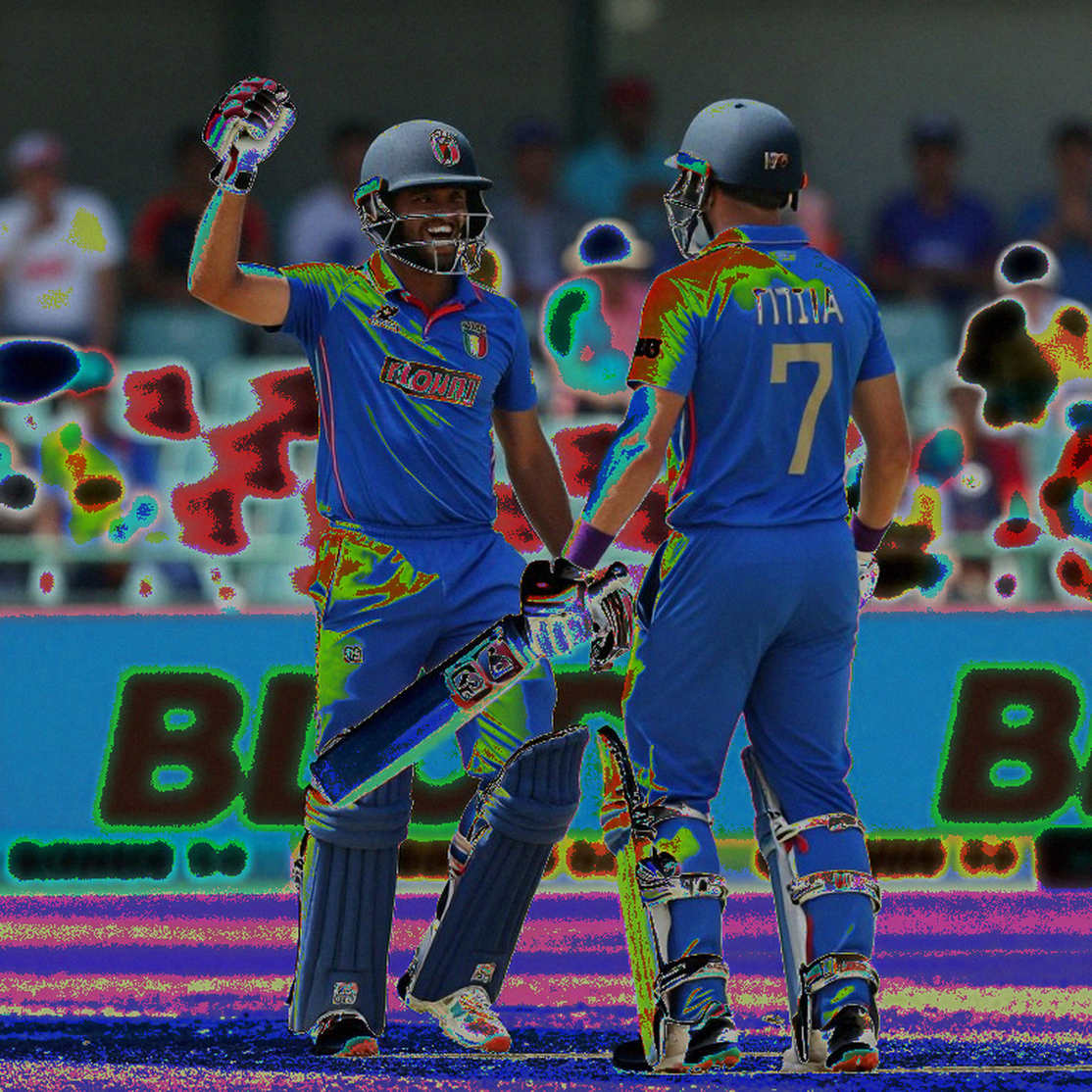
Here is the part every rankings report should carry and usually drops: the structure of the series. India won the three-match ODI leg in Vadodara two-nil, with a game to spare, described in the source as an ICC Women's Championship series. Two centuries in one innings tell you India posted a substantial total and that the run production sat in the middle order rather than the top. Beyond that I cannot go, because the update contains no scorecard, no pitch report, no powerplay or death-over split.
On the numbers: Deepti Sharma is 4th in the ODI all-rounder table (up two), 8th among ODI bowlers (up one) and 23rd among ODI batters (up four). Harmanpreet is 8th (up two). Pratika Rawal is 21st (up seven). Kranti Gaud is 25th among bowlers (up two). On the other side, Smriti Mandhana surrendered the No.1 ODI batting spot to Laura Wolvaardt, with scores of 32 and 0 in her last two ODIs. In the same update, though, she rose one place to 4th in T20I batting. Zimbabwe's three batters all climbed — Mupachikwa to 39th (+5), Mugeri-Tiripano to 47th (+4) and Biza to 56th (+16). The Australia–New Zealand T20I leg moved a separate table: Gardner up nine in batting, Wareham joint 7th, Garth joint 10th, New Zealand's Illing 17th and Patel 29th.
Now to the tape. I went back to the tape expecting a verdict; I found a question. There is no tape here in the literal sense — this is ranking-position data — so every technical inference sits at a deliberately lower confidence tier. Even so, five things in this update are real signals and all five fell outside the headline.
First — Deepti Sharma's three-dimensional profile is the densest piece of information in the entire document. Fourth among ODI all-rounders, eighth among ODI bowlers and twenty-third among ODI batters in the same format is a rare combination. In squad-construction terms it means one thing: she frees a selection slot. When your No.6 is also your frontline spinner, you can field an extra specialist. Note the gap between her all-rounder rank and her batting rank — the ratings model treats her as a bowler-first contributor whose batting has now crossed the threshold into top-order output. The century in the second ODI looks like the driver of that four-place batting climb.
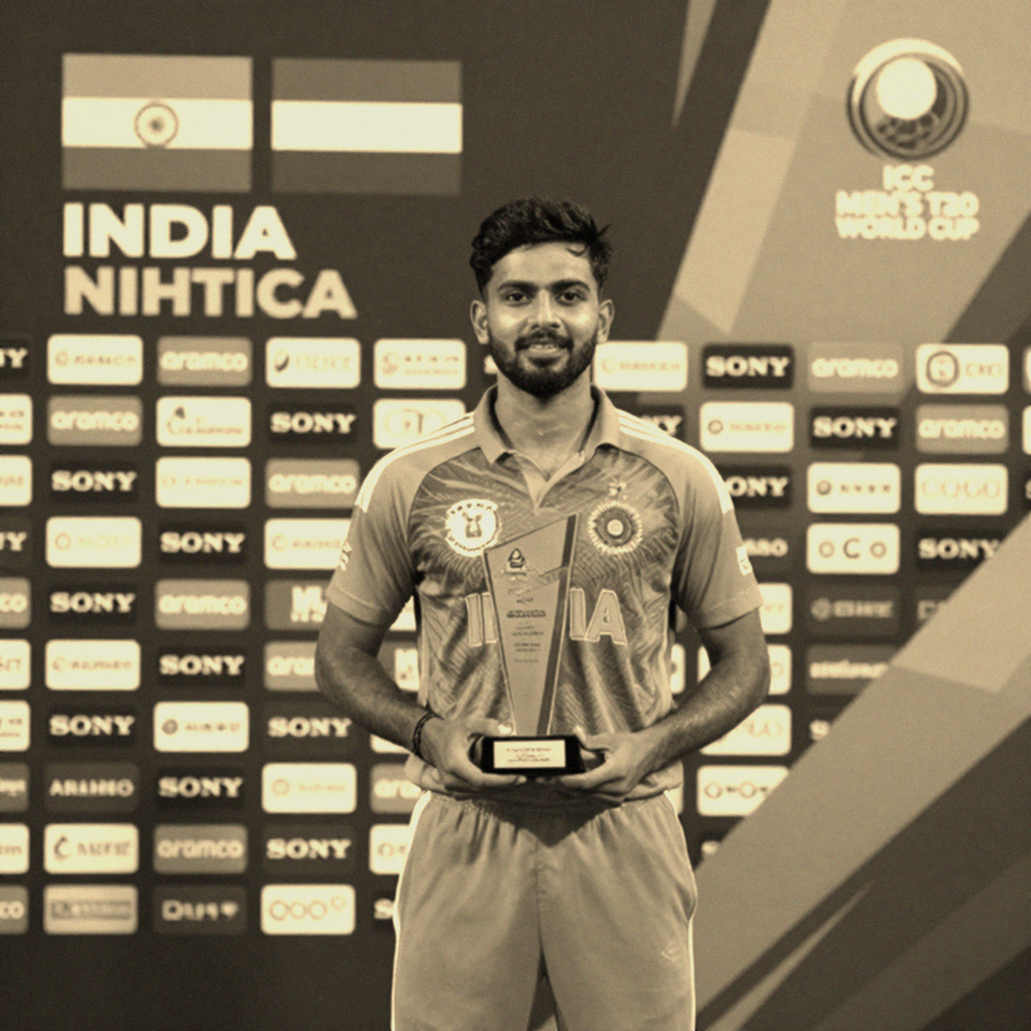
Second — Harmanpreet's two-place gain for a century is not evidence of a small innings. The ICC ratings are a weighted points system, not a raw average. Points are tightly bunched near the top of the table, so a single innings can reorder several players while moving an incumbent at eighth by only two places. Reading that as a modest knock is a misreading of the metric. Her position is volatile in both directions precisely because the surrounding points are close.
Third, and this is where I think the coverage went looking in the wrong place — Mandhana losing No.1 is a passive outcome, not an active collapse. Wolvaardt claimed the spot without playing in this series. That means she was already within striking distance and Mandhana's 32 and 0 did the rest. A South African batter reaching No.1 without batting is a reminder that a rolling weighted window carries the zero for months. What looked like a decline was actually a system showing its seams. And when the same update shows her rising to fourth in T20I batting — the format that drives franchise valuation — the form-concern headline becomes a category error.
Fourth, and in my reading the strongest structural story in the dataset, which got one paragraph: Australia's T20I bowling depth. Wareham joint seventh, Garth joint tenth, with Gardner up nine in batting. Their attack does not depend on one individual. India's ODI bowling shows Deepti at eighth and Gaud at twenty-fifth — a steep drop. That depth gap looks small on paper and gets large on tour, because England, Australia and New Zealand demand three options, not one.
And fifth — Zimbabwe's batters climbing is the least reported story here. Three batters inside the top 60 despite losing the series, with Biza's +16 the single largest jump in the document, points to a Vadodara surface that favoured batting. Two centuries in one innings and rating gains for the opposition batters both lean the same way. That is inference, not fact, since the source carries no pitch report. But if it holds, India's bowling effort was less decisive than the series result suggests.
This is where the Style File question returns. The Style File was never about style; it was about permission. Who gets a headline and who gets a line is an editorial decision, not a performance one. The most readable fact in this update was an Indian player climbing three tables at once. The most clicked fact was a star dropping one place.
Here is the part where I have to challenge myself, because the receipt-first method only works if you state your own argument in its strongest form first. Anyone who says points earned at home against a lower-ranked side mean nothing has a strong case. Building a second XI is the hardest job in world sport, and this series was India's selection laboratory. Rawal's career-best 21st is exactly the kind of signal I go looking for before it becomes fashionable. Dismissing the bump as weak opposition would repeat the failure I criticise in pundits: choosing the conclusion first and using the data as an alibi.
The counter-charge against me is tape myopia. I can only see what I can rewind. The dressing room, the workload, the rotation in the third ODI all sit outside my frame. Mandhana's zero could be rest or rust, and the source does not say. The accountability line is this: what the selectors had available, what they chose, and what a competent version of that call looks like. Resting senior players in a dead rubber was legitimate; leaving it undeclared was not, because the rankings cut-off makes that information material.
Two things are measurable from here, and I am printing them with the conditions attached so nobody has to take my word later. First: if Deepti Sharma holds a top-five all-rounder rank across the next two ICC updates while her batting rank breaks into the top 20, she is India's most valuable ODI asset, ahead of any specialist batter. Second: when an Indian seamer enters the ODI bowling top 25 — that is the real test of whether this attack travels. If neither signal arrives within three months, the Vadodara bump stays what it is: a weighted window's bias, and a headline forgotten inside three weeks.